
Buy Pinealon Peptide Switzerland
Pinealon is a short peptide studied for its neuroprotective properties. It supports brain function, enhances cognitive performance, regulates stress responses, and promotes cellular resilience by influencing gene expression and reducing oxidative stress in neural tissues.
Shop our Full Range of Pinealon Peptides
-
 NEW
NEWPinealon Peptide Vial 20mg
£48.41 – £57.39Price range: £48.41 through £57.39 This product has multiple variants. The options may be chosen on the product page
What is Pinealon?
Pinealon peptide is a short tripeptide (Glu-Asp-Arg) that has gained attention for its potential neuroprotective and regulatory properties. It is believed to influence gene expression and protein synthesis, particularly in neural tissues, making it a promising candidate for studying brain health and cognitive function.
Pinealon has shown potential in reducing oxidative stress, enhancing memory, and supporting cellular resilience under stress conditions. Researchers are particularly interested in its ability to cross the blood-brain barrier, allowing it to directly impact neural cells.
Switzerland Studies suggest Pinealon may play a role in regulating circadian rhythms, improving stress adaptation, and promoting cellular repair mechanisms. Its applications are being explored in aging, neurodegenerative diseases, and stress-related disorders, offering insights into peptide-based interventions for brain health and systemic resilience. Pinealon’s unique properties make it a valuable tool for advancing research in neuroscience and cellular biology.
Pinealon Mechanism Of Action
Pinealon peptide works by influencing gene expression and modulating protein synthesis, particularly in neural and other high-stress tissues. As a short tripeptide, it is small enough to cross the blood-brain barrier, allowing it to directly interact with brain cells.
Switzerland Research suggests that Pinealon acts on the epigenetic level, regulating the activity of genes involved in cellular repair, stress response, and homeostasis. It is believed to reduce oxidative stress by neutralizing reactive oxygen species (ROS) and enhancing the cell’s natural antioxidant defenses. Additionally, Pinealon may stabilize mitochondrial function, protecting cells from energy deficits and oxidative damage.
Its neuroprotective effects are of particular interest, as it appears to support memory, cognitive function, and circadian rhythm regulation. By promoting cellular resilience and repair, Pinealon is being studied for its potential applications in aging, neurodegenerative diseases, and stress-related conditions, offering valuable insights into peptide-based therapeutic strategies.
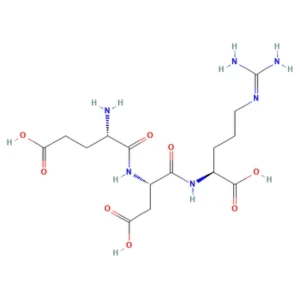
Structure of Pinealon
Sequence: H-DL-Glu-DL-Asp-DL-Arg-OH
Molecular Formula: C15H26N6O8
Molecular Weight: 418.40 g/mol
PubChem CID: 18220191
What Are The Research Benefits of Pinealon
Neuroprotective and Antioxidant Effects: Switzerland Research shows that Pinealon has strong neuroprotective and antioxidant effects. It helps reduce the buildup of reactive oxygen species (ROS) in cerebellar granule cells, neutrophils, and PC12 cells under oxidative stress, which lowers cell death caused by damage [1].
The peptide also influences the cell cycle and delays ERK 1/2 activation, indicating it interacts with the genome beyond its antioxidant role. It boosts antioxidant enzyme production, lowers neuronal cell death, and protects dendritic spines in models of Alzheimer’s and Huntington’s diseases. Additionally, Pinealon improves memory and behavior, suggesting it has therapeutic potential [2].
Modulation of Gene Expression and Cellular Function: Pinealon has been shown to have significant potential to modulate gene expression and cellular function. Short peptides like Pinealon can penetrate cell nuclei and nucleoli, interacting with nucleosomes, histone proteins, and DNA.
Switzerland Research suggests that these interactions influence replication, transcription, and DNA repair, while also regulating DNA methylation, an epigenetic mechanism for gene activation or repression. By modulating these processes, Pinealon holds promise for developing safe, effective neuroprotective and immunoregulatory therapies, addressing conditions linked to aging, pathology, and cellular dysfunction [3].
Cognitive Function and Synaptic Plasticity: Switzerland Research indicates that Pinealon enhances cognitive function and synaptic plasticity through molecular and epigenetic mechanisms. In Alzheimer’s disease (AD) models, Pinealon and related peptides like EDR prevent dendritic spine loss and neuroplasticity impairments by binding to DNA promoter regions of genes involved in AD pathogenesis, such as CASP3, GAP43, and SOD2 [4].
In the Morris water maze, Pinealon improved spatial learning and skill retention in diabetic rats, modulating NMDA receptor subunit expression. These findings highlight Pinealon’s potential in preserving synaptic integrity and cognitive function [5].
Anti-aging and Cellular Resilience Research: Switzerland Studies indicate that Pinealon has strong potential in anti-aging and cellular resilience research. It epigenetically regulates serotonin synthesis in brain cortex cells by interacting with the 5-tryptophan hydroxylase gene, supporting neuroprotection and geroprotection [6].
Pinealon also affects irisin gene expression, a peptide associated with fat metabolism, telomere elongation, and cellular longevity. These findings suggest Pinealon promotes cellular health, counters age-related decline, and enhances resilience by modulating key pathways for serotonin and irisin production [7].
Circadian and Stress Response Modulation: Pinealon shows promise in modulating circadian rhythms and stress responses. Switzerland Research indicates it can restore adaptive capacity, improve psychological and emotional balance, and reduce occupational stress risks, especially in high-stress roles such as lorry driving [8].
By regulating gene expression epigenetically, Pinealon supports resilience, modulates stress pathways, and enhances cognitive function. Its neuroprotective properties, including improved synaptic plasticity and reduced neuroinflammation, suggest potential for treating stress-related disorders and circadian disruptions. This offers a novel approach to occupational and neurodegenerative health challenges [9].
Buy Pinealon peptide Switzerland for research use online today!
Summary of Research Applications
- Enhances cognitive function.
- Reduces oxidative stress.
- Supports neural tissue repair.
- Promotes cellular resilience.
- Regulates circadian rhythms.
- Protects mitochondrial function.
- Improves memory and focus.
- Aids stress adaptation mechanisms.
Pinealon Peptide Quality Assured
At Direct Peptides Switzerland, you can purchase Pinealon peptide with a guaranteed 99% purity. Each batch undergoes rigorous testing to ensure the highest standards of quality and reliability. With our peptides, you can confidently support your research endeavors, knowing you’re using a product designed for consistent performance and precision in every study.
Buy Pinealon Peptide Vial 20 mg
Buy Pinealon peptide vial for laboratory purposes. It is available as a 20mg vial or as a kit that includes sterile, bacteriostatic water and syringes for reconstitution.
Frequently Asked Questions (FAQs) about Pinealon Peptide
Does Pinealon have any side effects?
Pinealon is a peptide considered safe and well-tolerated. While rare, potential side effects are typically mild and may include headaches, fatigue, or allergic reactions. Most studies focus on its cognitive benefits rather than adverse effects.
Could Pinealon help treat Alzheimer’s Disease?
Pinealon is a research peptide being studied for its potential effects on brain health, memory, and cellular repair. Preliminary findings suggest it may reduce oxidative stress and support cognitive function, with possible implications for conditions like Alzheimer’s. However, it is still in the experimental phase, has not been FDA-approved, and lacks sufficient evidence on its safety and efficacy. Pinealon is strictly for research purposes and not intended for medical use. Further studies are needed to understand its role in neurodegenerative diseases.
What is the difference between Selank and Pinealon?
Selank and Pinealon are both synthetic peptides, but they differ in composition, research focus, and mechanisms. Selank is derived from the immunomodulatory peptide tuftsin and is aimed at reducing anxiety, improving mood, and enhancing cognitive function by modulating neurotransmitters and the immune system. In contrast, Pinealon is a tripeptide that supports memory and reduces oxidative stress by promoting cellular repair, particularly in the context of aging-related cognitive decline. Selank is primarily researched for anxiety and stress treatment, while Pinealon focuses on memory support and brain health in aging.
Can Pinealon improve sleep quality?
Pinealon may improve sleep quality by supporting serotonin and melatonin production, regulating the sleep-wake cycle, and managing stress responses. Its neuroprotective effects suggest potential benefits for addressing sleep disturbances related to aging and stress, though further research is needed.
Buy Pinealon peptide for research use from Direct Peptides Switzerland.
References For Further Reading
[1] Khavinson V, Ribakova Y, Kulebiakin K, Vladychenskaya E, Kozina L, Arutjunyan A, Boldyrev A. Pinealon increases cell viability by suppression of free radical levels and activating proliferative processes. Rejuvenation Res. 2011 Oct, Volume 14 (Issue 5), Pages 535-41.
[2] Khavinson V, Linkova N, Kozhevnikova E, Trofimova S. EDR Peptide: Possible Mechanism of Gene Expression and Protein Synthesis Regulation Involved in the Pathogenesis of Alzheimer’s Disease. Molecules. 2020 Dec 31, Volume 26 (Issue 1), Page 159.
[3] Khavinson VK, Popovich IG, Linkova NS, Mironova ES, Ilina AR. Peptide Regulation of Gene Expression: A Systematic Review. Molecules. 2021; Volume 26 (Issue 22), Page 7053.
[4] Khavinson V, Ilina A, Kraskovskaya N, Linkova N, Kolchina N, Mironova E, Erofeev A, Petukhov M. Neuroprotective Effects of Tripeptides-Epigenetic Regulators in Mouse Model of Alzheimer’s Disease. Pharmaceuticals (Basel). 2021 May 27, Volume 14 (Issue 6), Page 515.
[5] Karantysh, G.V., Fomenko, M.P., Menzheritskii, A.M. et al. Effect of Pinealon on Learning and Expression of NMDA Receptor Subunit Genes in the Hippocampus of Rats with Experimental Diabetes. Neurochem. J. Volume 14, Pages 314–320 (2020).
[6] Khavinson, V.K., Lin’kova, N.S., Tarnovskaya, S.I. et al. Short Peptides Stimulate Serotonin Expression in Cells of Brain Cortex. Bull Exp Biol Med Volume 157, Pages 77–80 (2014).
[7] Khavinson, V.K., Kuznik, B.I., Tarnovskaya, S.I. et al. Short Peptides and Telomere Length Regulator Hormone Irisin. Bull Exp Biol Med Volume 160, Pages 347–349 (2016).
[8] Bashkireva AS, Artamonova VG. [The peptide correction of neurotic disorders among professional truck-drivers]. Adv Gerontol. 2012, Volume 25 (Issue 4), Pages 718-28.
[9] Ilina A, Khavinson V, Linkova N, Petukhov M. Neuroepigenetic Mechanisms of Action of Ultrashort Peptides in Alzheimer’s Disease. Int J Mol Sci. 2022 Apr 12, Volume 23 (Issue 8), Page 4259.
Why Choose Direct Peptides Switzerland?
Buy Pinealon Switzerland today and experience premium quality clinical-grade peptides online from Direct Peptides. We are a trusted source for Pinealon peptides, currently available in 20mg vials.
Find everything you need for peptide reconstitution here. Our range includes bacteriostatic water, syringes, alcohol swabs, pen needle tips, and empty cartridges.
ALL CONTENT AND PRODUCT INFORMATION AVAILABLE ON THIS WEBSITE IS FOR EDUCATIONAL PURPOSES ONLY.
DISCLAIMER: These products are intended solely as a research chemical only. This classification allows for their use only for research development and laboratory studies. The information available on our Switzerland Direct Peptides website: https://direct-peptides.com is provided for educational purposes only. These products are not for human or animal use or consumption in any manner. Handling of these products should be limited to suitably qualified professionals. They are not to be classified as a drug, food, cosmetic, or medicinal product and must not be mislabelled or used as such.
Related Posts

Pinealon Benefits for Stroke Survivors: A Natural Path to Recovery
This blog explores Pinealon peptide's role in post-stroke recovery, focusing on its ability to regulate oxidative stress, stabilize neurons, and support gene expression. By enhancing cellular resilience and synaptic function, Pinealon aids brain adaptation after ischemic injury. Complementary peptides like Semax and Selank are also discussed for their recovery-supporting pathways.
How Pinealon Peptide Influences Gene Expression for Brain Health
This blog explores Pinealon peptide's role in supporting brain health through gene regulation. By stabilizing cellular environments, Pinealon enhances neuronal resilience, cognitive function, and stress adaptation. It complements peptides like Semax and Selank, which target neural signaling and stress pathways. Together, these peptides provide insights into long-term brain stability and cognitive performance.